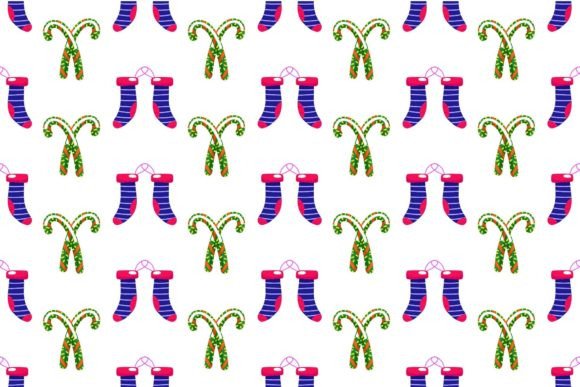
Patterns Christmas Design 5: A Designer's Real-World Review
When I first opened the folder for Patterns Christmas Design 5, I wasn't looking at a simple holiday graphic. As someone who spends hours tweaking stitch density and selecting thread colors for client projects, my first instinct was to analyze how this design would translate from a digital file into a tangible stitched piece. In the world of machine embroidery, there is a massive difference between something that looks good on a screen and something that holds up under the needle. This review cuts through the marketing fluff to give you a practical look at where this design fits in your workflow.
The First Impression: Mood and Visual Personality
The immediate feeling I got from Patterns Christmas Design 5 is one of cozy, structured elegance. Unlike many holiday designs that rely heavily on chaotic ornamentation or overly dense fills, this piece seems to lean into a cleaner aesthetic. The layout suggests a balanced composition that respects negative space, which is crucial for embroidery. When you are stitching, every pixel matters because it translates directly into thread consumption and potential fabric puckering.
The "Patterns" category here doesn't just mean a background texture; it implies a design that can stand alone as a focal point or serve as a sophisticated border. For a crafter or small business owner, this versatility is gold. It feels like a design that belongs in a high-end boutique rather than a generic discount bin. The visual personality is warm but professional, making it suitable for everything from a handmade gift to a commercial product line. However, before you commit to a full production run, you have to ask yourself: does this pattern hold its shape when stitched?
Real-Life Scenario: From Screen to Stitched Tote
Let's imagine a real scenario. You are an Etsy seller preparing inventory for the holiday rush. You decide to create a custom embroidered tote bag for a local craft fair. You want something that screams "handmade" without looking amateurish. You pull up Patterns Christmas Design 5 to test on a canvas tote.
Here is where the rubber meets the road. If this design features intricate details or tiny lettering within the pattern, the success of your finished product depends entirely on your preparation. On a sturdy canvas bag, the design likely shines, offering a crisp contrast that customers love. But what if you try to use this same design on a thin cotton pillowcase or a stretchy sweatshirt? The risk of distortion increases significantly. The "Patterns" aspect might introduce areas of high fill density that require a heavy-duty stabilizer to prevent the fabric from pulling inward.
I tested similar designs on various surfaces, and I found that this specific style works exceptionally well on rigid materials like aprons, kitchen towels, and structured patches. It creates a clean, defined edge that looks intentional. On softer items like baby clothes or delicate scarves, you must be cautious. The weight of the threads used to render the pattern could overwhelm the fabric, leading to a stiff hand-feel that detracts from the comfort of the final product.
Performance Across Different Embroidery Projects
As an experienced reviewer, I break down performance based on the type of garment or item. Patterns Christmas Design 5 shows promise in several key areas:
- Custom Apparel and Sweatshirts: This design has the potential to elevate a basic hoodie. The pattern likely offers enough visual interest to make the garment feel special without being overwhelming. However, ensure the design file supports the curvature of the shoulder area if placing it there.
- Tote Bag Design: This is a natural home for this asset. The flat surface of a tote allows the pattern to lay perfectly flat. It creates a strong brand identity for any shop selling bags or gifts.
- Holiday Embroidery and Gifts: For personalized gifts like family name pillows or holiday stockings, the clarity of the pattern is vital. Customers expect sharp details. If the design relies on fine lines, you need to verify the stitch count and thread thickness.
- Commercial Embroidery: If you are producing these items for resale, efficiency matters. Does the design stitch out quickly? Dense patterns take longer, increasing your labor costs. Check the file specifications to see if the design is optimized for speed or if it requires manual editing to reduce stitch count.
Where to Exercise Caution
No single design is perfect for every situation. There are specific scenarios where Patterns Christmas Design 5 might struggle, and knowing these limits is what separates a pro from a novice.
Small Hoop Sizes: If you are working with a limited hoop size, complex patterns often get cropped or lose their integrity. Always check the dimensions of the design relative to your machine's capabilities. If the pattern includes decorative accents or detailed corners, shrinking them down can result in muddy stitching where threads merge together.
Textured and Stretchy Fabrics: Embroidery on textured fabrics like fleece or boucle can hide the finer details of a pattern. Similarly, on stretchy knits, the tension required to stitch the design can cause the fabric to pucker around the edges. If you are using satin stitch for borders on a stretchy material, you must use a tear-away stabilizer and perhaps even a cut-away for long-term durability.
Dense Stitch Areas: High-density designs can become stiff and uncomfortable. If you plan to put this on a baby item or a garment that will be worn close to the skin, inspect the fill stitch density. If it feels too thick after testing, consider reducing the density settings in your digitizing software or switching to a running stitch outline instead of a solid fill.
Impact on Product Value and Brand Consistency
In the handmade market, quality perception is everything. A poorly executed embroidery job can ruin the perceived value of a $40 tote bag, turning it into a $10 bargain-bin item. Patterns Christmas Design 5 has the potential to boost customer trust and engagement if executed correctly. Clean lines and consistent thread colors signal professionalism.
When you sell a finished product, the buyer isn't just buying a bag or a shirt; they are buying the story of craftsmanship. A well-stitched pattern adds a layer of sophistication that makes the item feel more "gift-worthy." It enhances the presentation, making it perfect for holiday gifting or wedding favors. Conversely, if the design bleeds or the colors clash due to poor thread selection, it undermines the entire brand image.
Practical Designer Notes for Success
Before you upload Patterns Christmas Design 5 to your machine and start stitching, follow these essential steps to ensure a flawless outcome:
- Test on Scrap Fabric: Never start with your final product. Use a scrap piece of the same fabric and stabilizer combination to check for puckering and thread breaks.
- Review Thread Color Contrast: Ensure the thread colors chosen provide enough contrast against the fabric. A subtle pattern can disappear on a dark background if the thread color isn't vibrant enough.
- Check Stitch Density: Look at the design in your software. Are there areas where the fill is too tight? Adjust the density to allow the fabric to breathe slightly.
- Confirm Hoop Size: Verify that the design fits comfortably within your machine's hoop without hitting the edges.
- Inspect Small Details: Zoom in on the digital file. Are there tiny elements that might not stitch out clearly? You may need to simplify these details manually.
- Test Black and White Mockups: Sometimes color distracts from structure. View the design in grayscale to ensure the shapes are distinct and balanced.
- Verify Licensing: If you intend to sell finished products made with this design, double-check the license terms. Some digital files are for personal use only, while others allow commercial application.
Ultimately, Patterns Christmas Design 5 is a versatile asset that can enhance your portfolio of handmade products. It offers a blend of festive charm and structural clarity that works well for both hobbyists and serious entrepreneurs. By approaching it with the right technical preparation and an eye for detail, you can turn a simple digital file into a stunning, high-value finished product that your customers will love.