White Flowers Red Background Patterns Review
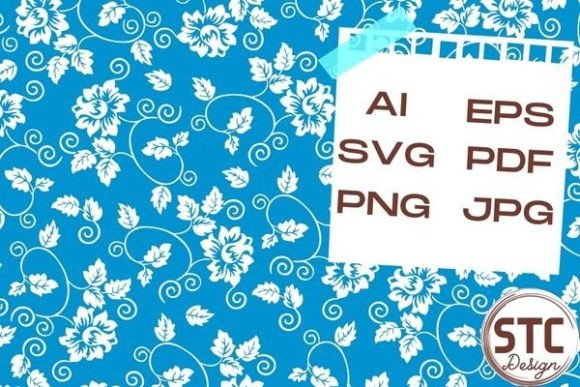
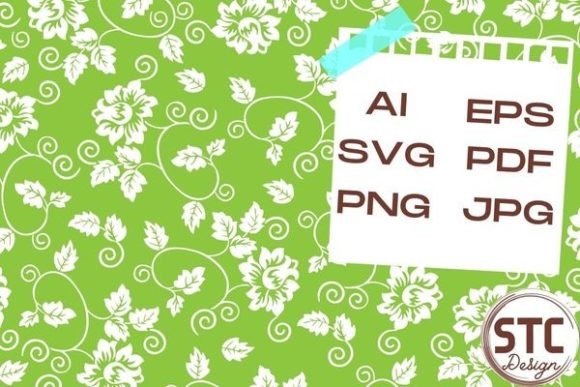
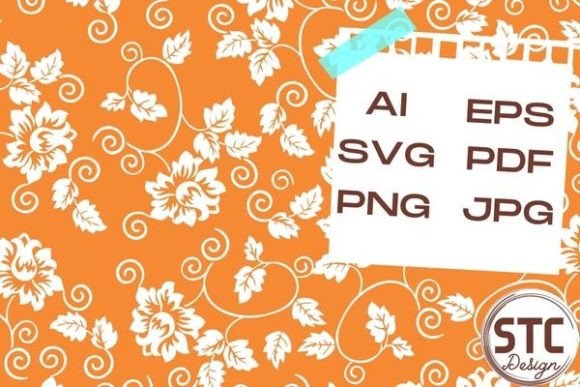
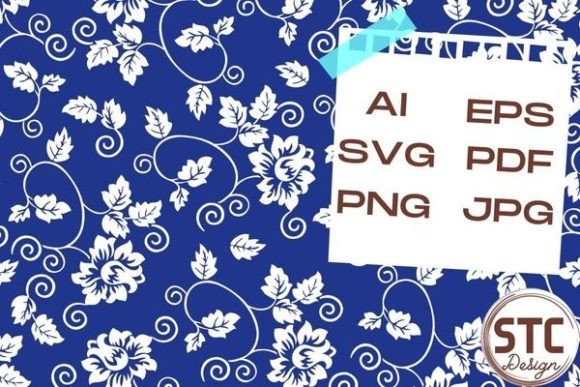
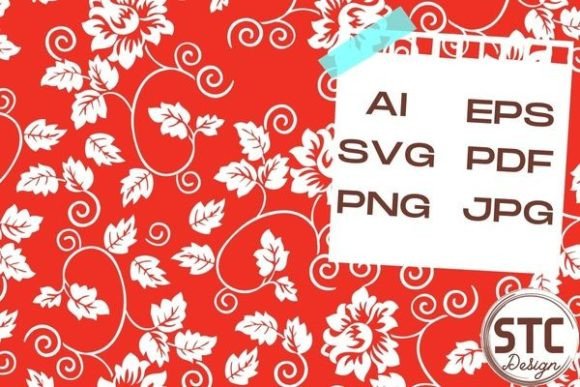
When I first opened the file for White Flowers Red Background Patterns, my initial reaction wasn't about the technical specs, but rather the sheer emotional punch of the color palette. As a designer who spends hours staring at screens and then even more time threading needles, I know that a design's success often hinges on its ability to translate from a digital preview to a tactile reality. This specific pattern immediately struck me as a bold choice. It is not a shy, pastel floral; it is confident, high-contrast, and demands attention. The stark white blooms set against a deep red field create a visual rhythm that feels both classic and contemporary.
In the world of machine embroidery, contrast is king. Without it, your stitches disappear into the fabric, and your finished product looks muddy or unfinished. Here, the dynamic between the bright white petals and the rich red backdrop ensures that every detail remains legible. I am reviewing this asset not just as a graphic, but as a potential centerpiece for real-world projects, from boutique clothing lines to personalized holiday gifts. My goal is to walk you through how this design behaves under the needle and where it shines brightest in a commercial or craft setting.
From Screen to Stitch: The Real-World Test
I recently decided to put White Flowers Red Background Patterns to the test by creating a custom embroidered tote bag for a local artisan market. The challenge was to make a bag that stood out on a crowded table without looking cheap. I selected a sturdy canvas fabric, which provided a perfect foundation for the design. The moment the hoop was tightened and the stitching began, the density of the white fill stitches popped beautifully against the red background.
The result was striking. The flowers didn't just sit on top of the fabric; they seemed to emerge from it. For an Etsy seller or a small shop owner, this kind of visual impact is crucial. Customers scan products quickly, and a design with such strong color definition stops the scroll. However, the experience wasn't without its nuances. Because the pattern features intricate floral shapes, I had to be meticulous about the stabilizer choice. A lightweight cut-away stabilizer was essential to prevent the dense areas of the white flowers from puckering the canvas. If you are planning to use this for a tote bag design or a similar heavy-duty item, ensure your stabilizer can handle the tension of the satin and fill stitches.
This design also performed exceptionally well when adapted for a sweatshirt embroidery project. The red background created a warm, inviting feel, while the white flowers offered a crisp, clean focal point. It felt less like a generic print and more like a handcrafted statement piece. For those selling custom apparel, this pattern offers a level of sophistication that elevates a basic garment into a premium product.
Where This Design Truly Shines
White Flowers Red Background Patterns is versatile, but it has specific niches where it performs best. Its high contrast makes it ideal for items where visibility is key. Consider using it for embroidered patches intended for jackets or backpacks; the red and white combination cuts through clutter and looks professional even from a distance. Similarly, for holiday embroidery projects, this color scheme evokes a festive, traditional spirit that resonates with buyers looking for seasonal decor.
- Baby Items: The soft yet bold aesthetic works wonderfully for nursery decor, baby blankets, or christening gowns. The white flowers add a touch of innocence, while the red grounds the design with warmth.
- Kitchen Textiles: Imagine this pattern stitched onto tea towels or aprons. The colors mimic fresh produce and rustic charm, making it a natural fit for kitchen-themed merchandise.
- Personalized Gifts: For personalized gifts like journal covers or binders, this design adds a layer of elegance. It transforms a standard notebook into a keepsake that feels curated and thoughtful.
- Commercial Embroidery: Small business owners will appreciate how this digital embroidery file can be used to create cohesive branding across various products, from key chains to posters.
The pattern's layout allows it to function well as a repeating motif or a singular focal point. When used as a repeat on fabric for clothing or home goods, the spacing creates a balanced rhythm that doesn't overwhelm the eye. This makes it a valuable asset for anyone creating design assets for print-on-demand services or textile production.
Practical Considerations and Pitfalls
While the design is visually stunning, an experienced designer knows that beauty alone does not guarantee success. There are scenarios where White Flowers Red Background Patterns requires careful handling. One major consideration is the fabric texture. On highly textured fabrics like bouclé or thick fleece, the fine details of the flower petals might get lost. In these cases, the smoothness of the satin stitch is vital, and you may need to adjust the thread tension to ensure the stitches lay flat.
Another critical factor is the size of the embroidery area. If you attempt to digitize or use this pattern in a very small hoop size, the intricate details of the flowers could become muddled. The running stitches that define the petal edges might merge into a solid blob if the resolution isn't sufficient for the scale. Always test the design in your intended hoop size before committing to a full production run. If you are working on curved surfaces like caps or hats, remember that the red background needs to wrap smoothly around the curve without distorting the circular nature of the floral elements.
For apparel decorators working with stretchy fabrics, stability is paramount. The density of the fill stitches in the white flowers could cause the fabric to pucker if not properly stabilized. I recommend using a tear-away or cut-away stabilizer depending on the fabric weight to maintain the integrity of the design. Additionally, if you plan to wash the finished product frequently, such as a kitchen towel or a child's outfit, ensure the thread colors are colorfast. The high contrast means any bleeding of the red thread would be immediately noticeable, so quality control is non-negotiable.
Design Judgment and Professional Value
Using White Flowers Red Background Patterns in your portfolio signals a certain level of taste and confidence. It shows that you understand color theory and composition. For Etsy sellers and craft business owners, this translates directly to higher perceived value. A customer is more likely to trust a brand that presents products with clear, well-executed designs. The sharpness of the white flowers against the red background suggests precision and care, traits that buyers associate with quality handmade goods.
Furthermore, the versatility of this pattern allows for creative experimentation. You can play with different thread sheens—using a matte thread for the red background and a lustrous pearl cotton for the white flowers—to add depth and dimension. This kind of nuance can turn a good product into a great one. Whether you are creating printable mockups for your online store or actual physical samples for a craft fair, this design provides a strong foundation for your presentation.
Before you dive into production, remember the golden rule of embroidery: always test on scrap fabric. Check the stitch density to ensure the machine isn't overworking the material. Verify that the thread colors you choose match the intended look of the digital file. And most importantly, confirm the licensing terms. While this graphics package is designed for a wide range of uses, including commercial embroidery, ensuring you have the right permissions to sell finished items is essential for protecting your business.
In conclusion, White Flowers Red Background Patterns is a robust, visually compelling asset that delivers on its promise of high-impact design. It bridges the gap between digital aesthetics and tactile craftsmanship, offering endless possibilities for creators looking to elevate their work. With the right preparation and attention to detail, this pattern can become a staple in your collection of embroidery projects, helping you create products that customers love and cherish.