Deep Yellow Plaid Patterns Review for Real Embroidery
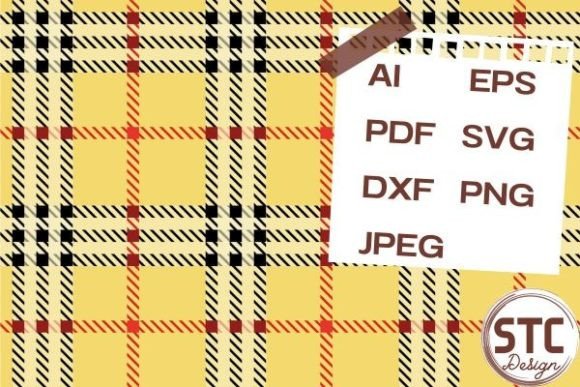
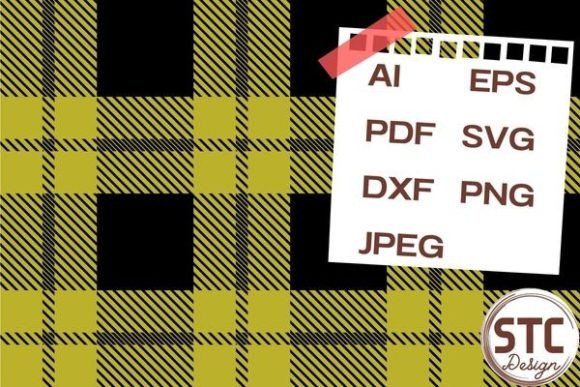
When I first opened the file for Deep Yellow Plaid Patterns, I didn't just see a graphic; I saw a specific kind of warmth. In the world of machine embroidery, where so many designs lean towards stark monochrome or overly complex florals, this pattern immediately stood out for its inviting energy. As someone who has spent years testing files for everything from boutique apparel to high-volume craft fair merchandise, my first impression is that this design possesses a distinct visual personality. It feels grounded, rustic yet modern, and undeniably cozy. The deep yellow hue suggests autumn harvests, sunlit kitchens, and the kind of comfort people seek in their homes and wardrobes.
This isn't just another generic grid. The layout of the Patterns category suggests a versatility that goes beyond simple background noise. When you are an Etsy seller or a small business owner looking to create a finished product that feels authentic, you need assets that carry weight. This design offers that weight without overwhelming the eye. It strikes a balance between a structural element and a decorative feature, making it ideal for projects where you want the texture of the plaid to be felt as much as seen.
From Digital File to Finished Product: A Real-World Scenario
To truly understand the value of Deep Yellow Plaid Patterns, let's walk through a practical scenario. Imagine you are preparing for the upcoming holiday season and have received a rush order for custom embroidered aprons for a local bakery. They want something that screams "homemade" but looks professional enough for their gift shop. You pull up your design library and land on this plaid.
The first thought that comes to mind is how the Graphics will translate onto cotton duck fabric. Unlike a solid block of color, a plaid pattern introduces movement and depth through stitch density variations. If you are stitching this on a tote bag design or a sweatshirt embroidery project, the interplay of the lines creates a tactile experience that flat prints simply cannot match. I can already picture the customer holding the bag, feeling the raised stitches of the fill stitch, and recognizing the quality immediately.
However, the real test lies in the application. If you were to use this for a baby item, like a onesie or a bib, the deep yellow provides a cheerful contrast against white or light blue fabrics. But if you are thinking about commercial embroidery on darker garments, the decision becomes more nuanced. The richness of the yellow needs to pop against the dark background, which requires careful thread selection. This is where the design shines: it allows for creative freedom in thread colors while maintaining its structural integrity. Whether you are creating personalized gifts or mass-producing small shop products, this pattern acts as a reliable foundation that elevates the perceived value of the item.
Navigating Fabric and Hoop Constraints
While the aesthetic appeal is clear, a professional designer knows that execution is everything. There are specific situations where Deep Yellow Plaid Patterns requires a cautious approach. For instance, when working with small hoop sizes, the complexity of the plaid lines might get lost. If the individual squares of the plaid are too fine, they may blur together on a tight curve, such as a cap or a curved patch. In these cases, the design might lose its definition, turning into a muddy blob rather than a crisp geometric shape.
Similarly, textured fabrics like heavy denim or bouclé wool present a challenge. While the plaid works beautifully on smooth cotton or linen, the uneven surface of a thick weave can distort the satin stitch edges. If you are planning to use this on a kitchen towel or a pillow cover made of rougher material, you must ensure your stabilizer choice is robust enough to prevent puckering. The design relies on clean lines, and any distortion in the fabric will undermine the professionalism of the final piece.
Another critical consideration is stretchy fabric. If you attempt to embroider this directly onto a jersey t-shirt without proper backing, the tension of the plaid pattern could cause the garment to warp. The horizontal and vertical lines of the Patterns act like a net; if the base fabric stretches, the design will follow, potentially ruining the alignment. For these applications, using a tear-away or cut-away stabilizer is non-negotiable to maintain the crispness of the running stitch and fill stitch areas.
Visual Impact and Customer Perception
In the competitive landscape of handmade goods, visual appeal dictates customer trust. A well-executed embroidery project signals attention to detail. When Deep Yellow Plaid Patterns is stitched correctly, it communicates reliability and style. Customers browsing an online store or walking through a craft fair stall are drawn to items that look cohesive. This design helps establish brand consistency across different product lines, whether you are selling notebook covers, binders, or wall hangings.
The color itself plays a significant role in buyer engagement. Deep yellow is associated with optimism and creativity. When used in a digital embroidery file for a mockup, it grabs attention instantly. However, you must consider how the colors interact with the thread palette. If the thread colors chosen do not contrast sufficiently with the background, the intricate details of the plaid will vanish. Always test the design in black and white mockups before committing to a full production run. This step ensures that the stitch density and line thickness are sufficient to hold their shape, regardless of the color combination.
Essential Notes for the Embroidery Designer
Before you hit the start button on your machine, there are several practical steps every experienced maker should take. First and foremost, always test the design on scrap fabric. This is the only way to verify that the stitch density is appropriate for your specific thread type and fabric blend. If the design is too dense, it may become stiff and difficult to handle, especially on delicate items like baby clothes or lightweight scarves.
Reviewing the file specifications is also crucial. While the description mentions suitability for various uses like batik, carpet, and clothing, it does not explicitly state the exact stitch count or file formats available. You must confirm the technical details with the provider to ensure compatibility with your machine. Are you working with a standard .dst file, or is there a specific requirement for applique design integration? Understanding the technical constraints prevents costly mistakes during production.
Furthermore, check the licensing terms carefully. If you intend to sell finished items featuring Deep Yellow Plaid Patterns on platforms like Etsy or at craft fairs, you need to know if the license covers commercial use. Some designs allow for personal projects but restrict resale. Confirming these details protects your business and ensures you are operating within legal boundaries. Also, inspect the small details of the pattern closely. Tiny corners or thin lines might require a finer needle or a different tension setting to avoid breakage or skipped stitches.
Finally, consider the end-user experience. Will the product withstand frequent washing? Dense stitch areas can sometimes trap lint or water, so ensuring the design is balanced and breathable is key for items like tablecloths or clothing. By paying attention to these nuances, you transform a simple digital asset into a high-quality handmade product that customers will love.
In conclusion, Deep Yellow Plaid Patterns is a versatile and charming addition to any designer's toolkit. It offers a perfect blend of structure and warmth, suitable for a wide range of applications from custom apparel to home decor. With careful planning regarding fabric choice, stabilization, and thread selection, this design can elevate your craft business and help you create memorable, professional-grade items that stand out in a crowded market.