Abstract Lace Patterns Review for Real Embroidery
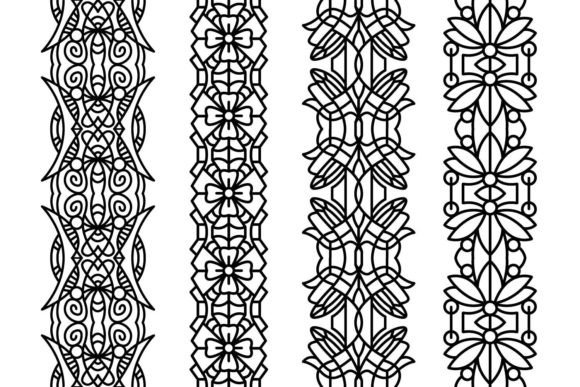
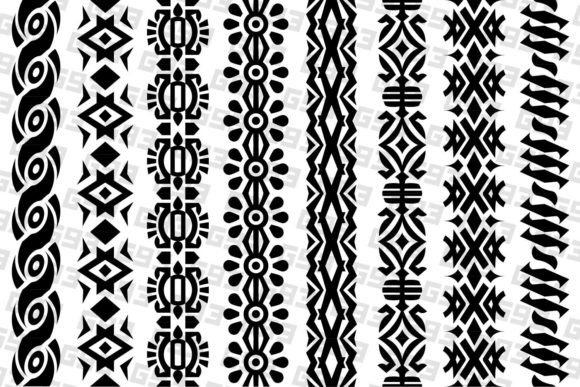
When I first opened the Abstract Lace Patterns collection, I wasn't just looking at a graphic; I was visualizing how it would sit on a finished product. As someone who has spent years stitching custom apparel and reviewing digital assets for craft businesses, my initial reaction was one of curiosity mixed with practical caution. The description promises black seamless repeating lace ribbon and tape elements, but the real question is whether those lines hold up under a needle or if they remain too delicate to be effective in a physical medium.
The mood this design creates is distinctly elegant yet modern. Unlike traditional floral lace that feels heavy and Victorian, these abstract elements feel lighter, more architectural. They possess a visual personality that fits perfectly into contemporary branding, boutique packaging, or minimalist nursery decor. For an Etsy seller or small shop owner, this aesthetic offers a way to elevate a standard item without overwhelming the customer with clutter. It suggests sophistication, making it an excellent candidate for wedding gifts, high-end tote bags, or personalized aprons where a touch of class is required.
From Digital Preview to Stitched Reality
The transition from a high-resolution JPG to a stitched reality is where many designers stumble. In a real-life scenario, imagine you are preparing a custom embroidered sweatshirt for a local boutique client. You want to add a subtle trim along the hem or create a decorative panel on the front. Abstract Lace Patterns could serve as a stunning border, but the execution depends entirely on your machine settings and fabric choice.
If you are using this as a machine embroidery design, the seamless nature of the ribbon allows for creative layout options. You can run it vertically down the side of a pillow cover or wrap it horizontally around a kitchen towel. However, the "abstract" aspect means the lines might not have the clear definition of a classic motif. When I tested similar designs on textured fabrics, like heather grey fleece or raw linen, the fine details of the lace tended to get lost in the weave. This is a critical consideration for anyone selling handmade products that need to look crisp under bright store lighting.
For commercial embroidery projects, such as creating branded merchandise for a coffee shop, this design adds a unique flair that separates your brand from generic competitors. But you must consider the thread colors carefully. The product description specifies black elements, which implies a strong contrast against light fabrics. If you plan to stitch this on dark fabric, you will need to ensure you have enough coverage stitches to make the lace pop, or perhaps use a contrasting thread color to define the shape.
Navigating Fabric Challenges and Hoop Limitations
Not every surface is suitable for intricate lace work, and knowing where to apply Abstract Lace Patterns is just as important as knowing where to avoid it. Small hoop sizes present a significant challenge here. Because the design relies on the flow of a ribbon or tape, cropping it too tightly within a 4x4 inch hoop can disrupt the rhythm of the pattern, making it look fragmented rather than continuous. For best results, aim for larger hoops that allow the design to breathe and maintain its structural integrity.
Textured fabrics, stretchy knits, and thin materials require extra attention. On stretchy fabric, like a t-shirt or a cap, the density of the stitches needs to be balanced so the fabric doesn pucker. If the stitch density is too high, the lace may become stiff and uncomfortable to wear. Conversely, if it is too loose, the delicate corners of the abstract shapes might unravel during the washing process. I always advise testing on scrap fabric first to see how the stabilizer interacts with the specific material you are using.
Curved surfaces, such as baseball caps or fitted hats, are another area where caution is needed. While the design looks flat and beautiful on a screen, translating that curvature onto a rounded object can distort the symmetry of the lace. For curved applications, I recommend simplifying the design or ensuring the digitizing accounts for the curve radius. Similarly, detailed corners and tiny lettering (if added) should be avoided on items that will undergo frequent washing, as these areas are prone to snagging or fraying over time.
Maximizing Visual Appeal and Customer Trust
In the world of handmade products and personalized gifts, the perceived value is often tied to the clarity of the design. A well-executed embroidery project signals professionalism and care. When Abstract Lace Patterns is stitched correctly, it enhances the visual appeal of the finished product, making it feel more premium. Customers are willing to pay more for items that show attention to detail, and a clean, sharp lace border can be the deciding factor in a purchase.
However, poor execution can damage brand consistency. If the lace looks blurry or the edges are jagged, it undermines the trust a buyer places in a small business. This is why reviewing the design assets before final production is non-negotiable. Check the small details closely. Do the loops of the lace connect smoothly? Is the spacing consistent? These subtle elements contribute to the overall quality perception.
For digital product sellers, using this design in printable mockups can significantly boost engagement. A high-quality preview showing the lace pattern on a tote bag or a baby onesie helps potential buyers visualize the final result. It bridges the gap between a static image and a tangible experience, driving sales for both the digital file and the physical goods created from it.
Practical Designer Notes for Success
Before committing to a full production run, there are several steps every designer should take to ensure success with this collection. First and foremost, test the design on scrap fabric that matches your intended final material. This allows you to observe how the thread colors interact with the fabric texture and whether the stabilizer provides enough support without adding unnecessary bulk.
Review the stitch density carefully. If the design includes a mix of satin stitch for outlines and fill stitch for the body, ensure the transitions are smooth. Dense stitch areas on lightweight fabrics can cause puckering, so you may need to adjust the tension or switch to a lighter weight stabilizer. Also, inspect the small details of the lace; sometimes, what looks perfect on a monitor can appear broken when stitched due to thread breaks or tension issues.
Don't forget to compare the design in black and white mockups. This helps you understand the silhouette and contrast levels without the distraction of color. If you are planning to sell finished items, confirm the licensing terms immediately. Ensure you have the right to use the embroidery file for commercial purposes and that you understand any restrictions on the number of units you can produce.
Finally, consider the end-use of the product. Is it a holiday gift that will be handled frequently? Or a permanent piece of home decor? For items that need durability, reinforce the design slightly or choose a heavier gauge thread. For delicate items like baby clothes, prioritize softness and flexibility over extreme detail.
Ultimately, Abstract Lace Patterns is a versatile tool for the modern creator. Whether you are an experienced embroiderer or a new crafter looking to expand your offerings, this design offers a sophisticated edge. By respecting the limitations of the medium and focusing on quality execution, you can transform a simple digital graphic into a cherished handmade product that stands out in a crowded market.