Ribbon Lace Patterns: A Designer's Real-World Review
When I first opened the folder for Ribbon Lace Patterns, my initial reaction was one of quiet appreciation. In a market saturated with bold, blocky graphics and overly complex floral arrangements, this collection offers something distinct: a delicate, hand-knitted aesthetic that feels both vintage and modern. As someone who has spent years testing designs on everything from heavy denim to sheer silk, I know that the difference between a design that looks great in a preview and one that stitches beautifully is often found in the details. This isn't just a set of pretty images; it is a potential cornerstone for boutique branding, personalized gifts, and high-end custom apparel.
The First Impression: Mood and Visual Personality
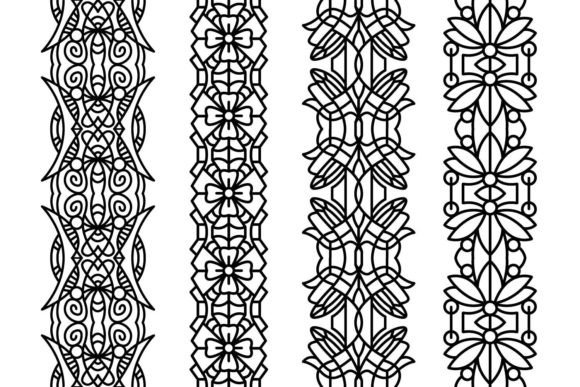
The moment you view the included JPG files, the mood shifts. The line art captures the intricate, airy nature of knitted lace without feeling cluttered. It possesses a softness that suggests comfort and care, making it an ideal choice for projects intended to evoke warmth. Unlike rigid geometric patterns, these seamless tape patterns flow naturally, which is crucial when translating digital art into physical thread. The visual personality here is elegant but understated. It doesn't scream for attention; instead, it invites the viewer to lean in closer to appreciate the craftsmanship. For an Etsy seller or a small shop owner, this kind of subtle sophistication can elevate a product from a generic craft item to a perceived luxury good.
From Screen to Stitch: Real-Life Application Scenarios
I recently decided to put Ribbon Lace Patterns to the test by planning a custom embroidered tote bag for a local artisan market. My goal was to create a reusable shopping bag that felt like a premium gift rather than a standard promotional item. The challenge with lace motifs on canvas or cotton twill is avoiding a "stiff" look where the fabric pulls or the stitches sit too heavily on the surface. Because these are essentially line art, they rely heavily on the quality of the stitch execution.
In this scenario, the design performed exceptionally well as a border motif. By running the pattern along the bottom hem of the tote, it created a framing effect that mimicked actual ribbon trim. When stitched with a fine satin stitch, the lines remained crisp, and the negative space within the lace pattern allowed the texture of the bag fabric to peek through. This interaction between the thread and the material added depth that flat printing simply cannot achieve. Customers at the craft fair immediately noticed the tactile quality, asking if the bag had been sewn with actual lace. That level of engagement is exactly what a skilled designer aims for.
This versatility extends far beyond bags. Imagine applying this same embroidery file to a baby onesie or a nursery pillow cover. The gentle curves of the lace pattern convey safety and tenderness, making it perfect for baby embroidery. Similarly, for holiday gifts, such as a Christmas stocking or a festive apron, the intricate detail adds a layer of thoughtfulness that recipients deeply value. The seamless nature of the collection also means it can be tiled to create wide bands for sweatshirt embroidery or used as a focal point on an embroidered patch.
Where Caution Is Required: Technical Limitations
While Ribbon Lace Patterns is a strong asset, no design is universally perfect without consideration for the medium. There are specific scenarios where this design requires careful handling. For instance, attempting to stitch this on a curved surface like a baseball cap can be tricky. If the design is not digitized with appropriate pull compensation, the lace elements might pucker around the curve of the hat brim, distorting the delicate lines. Always verify the hoop size requirements before committing to a curved garment.
Texture is another critical factor. On highly textured fabrics, such as thick bouclé or rough burlap, the fine details of the lace may get lost. The thread needs a relatively smooth foundation to maintain its definition. Furthermore, while the design is beautiful, it may not hold up well to frequent industrial washing if the stitch density is too low. For products that need to withstand heavy wear, like work aprons or daily-use tote bags, you must ensure the stabilizer usage is robust enough to support the design over time. Additionally, on dark fabrics, the visibility of the lace pattern depends entirely on your thread color selection. A light-colored lace on a black background will pop, but a dark lace on navy might disappear unless you use a contrasting underlay or a bright top thread.
Elevating Brand Consistency and Product Value
In the world of handmade commerce, consistency is key. Using a cohesive design language across your product line builds trust. Ribbon Lace Patterns offers a consistent visual theme that can tie together various items, from a kitchen towel to a wedding favor tag. When a customer sees this specific lace motif on multiple products from your shop, it reinforces your brand identity as one that values detail and tradition.
The visual appeal of this design directly impacts perceived value. A simple logo might sell a shirt, but a beautifully executed lace border suggests a higher price point is justified. It signals to the buyer that the maker cared about the finishing touches. For commercial embroidery projects, this distinction can mean the difference between a mass-produced item and a bespoke piece. The clarity of the lines ensures that even at smaller scales, the design remains recognizable, which is vital for maintaining professionalism in your finished product.
Practical Notes for the Embroidery Designer
Before you rush to start stitching, there are essential steps every professional should take. First, always test the design on scrap fabric that matches your final project material. This allows you to assess how the stitch density interacts with the fabric weave and whether the thread colors provide the necessary contrast. Pay close attention to the small details; sometimes, tiny loops in a lace pattern can snag or break if the tension is not perfectly calibrated.
Review the file specifications carefully. The product description mentions high-resolution JPGs and PNGs with transparent backgrounds, which are excellent for creating mockups, but you must confirm the actual machine embroidery format (such as .DST, .PES, or .EXP) and the recommended hoop size. If you are unsure about the stitch count or the digitization quality, contact the creator or check the technical documentation. Ensure you have the proper stabilizer selected for your fabric type to prevent puckering.
Finally, consider the licensing terms. If you plan to sell finished items featuring Ribbon Lace Patterns as part of your craft business, double-check the commercial rights. Some licenses allow for unlimited sales of physical goods, while others restrict the number of units or require attribution. Creating a few printable mockups using the provided PNGs can help you visualize the final result before spending money on materials. By taking these practical precautions, you ensure that the transition from digital asset to finished product is seamless, profitable, and visually stunning.